
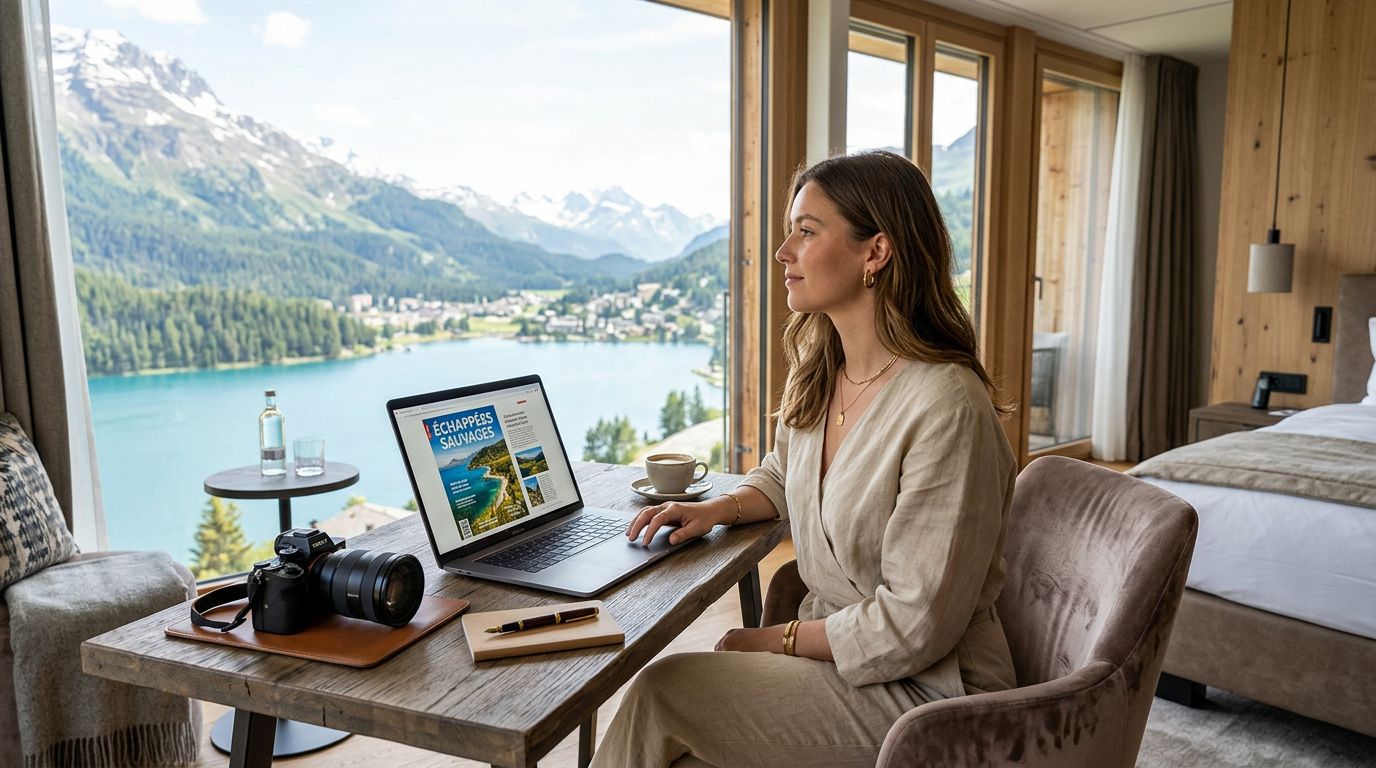

A luxury travel publication becomes useful when it helps readers make a specific decision: choosing a quiet hotel, understanding what a room rate includes, or planning a trip with realistic travel times. Attractive photographs can invite people in, but they cannot replace reliable information. Before investing in a large catalogue of articles, define the reader you want to serve and the questions your publication can answer well.
Choose a clear editorial purpose
“Luxury travel” covers very different expectations. Someone looking for accessible accommodation needs different details from a couple planning a short city break. Start with a manageable subject and explain your selection criteria. Quiet surroundings, thoughtful service, location and room layout may matter more than the number of stars displayed by a property.
Write down what each article should help a reader do. A hotel comparison might clarify which room categories suit a particular stay. A destination guide might connect neighbourhoods, transport and opening hours. This approach gives the publication a recognisable purpose without forcing every page into the same format.
Make the evidence behind the article visible
Separate firsthand reporting from research conducted at a distance. Only describe a personal stay if it actually happened. For a visit, state the relevant date and whether the accommodation was paid for or provided by a partner. For a researched guide, identify the sources and check practical details with the establishments concerned.
Prices, facilities and booking conditions can change. A precise observation with a date is more useful than a permanent claim that a hotel is the cheapest or offers a guaranteed upgrade. Keep notes that allow another editor to verify the information. Correct an outdated detail promptly instead of presenting an old experience as a recent visit.
Give photographs a practical role
Use images you are entitled to publish and place them beside the information they explain. A room photograph should illustrate the relevant category where possible; a generic pool image cannot establish what a particular booking includes. Captions can clarify location, date and context. Descriptive alternative text helps readers understand informative images.
A comparison should also account for the total cost, transport and conditions. A beautiful view does not answer whether breakfast is included or whether a room can accommodate the stated number of guests. Those details often make the difference between inspiration and a usable recommendation.
Organise the site around real questions
Build understandable categories and connect related articles when the link helps the reader continue planning. Avoid producing many nearly identical pages for slightly different keywords. Google’s guidance favours helpful, reliable content created for people; it does not promise rankings for a particular article length. (1)
Discover is another possible source of visits, not a predictable acquisition plan. Google recommends large images at least 1,200 pixels wide, but meeting its eligibility requirements does not guarantee appearance. (2) Choose accurate headlines rather than exaggerated promises designed only to provoke a click.
Distribute content at a sustainable pace
Select channels according to the audience you can actually reach and the time available. A carefully maintained newsletter or a focused social account can be more manageable than opening accounts everywhere. Adapt the presentation to the channel while directing interested readers to genuinely useful material.
Email also depends on delivery, subscriber interest and the service used. Do not assume a universal conversion advantage over social media. Measure your own results: relevant replies, clicks towards useful pages and continued subscriptions. A small engaged audience can provide better editorial feedback than an isolated spike in visits.
Separate commercial arrangements from editorial judgement
Affiliate links, sponsored articles and services can contribute revenue, but their economics differ. An affiliate commission may depend on a completed booking and later cancellation. A sponsored assignment requires agreed deliverables and should be clearly identified. Consulting also consumes working time that cannot simultaneously be spent reporting.
Make commercial relationships understandable and retain the ability to explain a limitation or disadvantage. For paid links, Google recommends the rel="sponsored" attribute. (3) This technical indication does not replace a clear explanation to readers. Do not present an advertiser’s claims as findings from an independent test.
The original article referred to Julien Jimenez’s website. Such a reference does not establish verified commercial results. Assess any proposed support through its scope, references and written deliverables rather than through a promise of visibility.
Test the project before expanding it
Prepare a modest pilot with articles that answer different stages of the same journey. Record the actual costs of hosting, tools, photography, travel and editorial time. Distinguish revenue invoiced from money received, and compare income with the work required. There is no dependable income timetable that applies to every new publication.
Review what readers use and which questions remain unanswered. Update useful existing pages and preserve their addresses. Expand only when you can maintain the accuracy and quality of the material already published. A realistic publishing rhythm is part of the product: readers need information they can trust after the launch, too.
Sources
(1) https://developers.google.com/search/docs/fundamentals/creating-helpful-content
(2) https://developers.google.com/search/docs/appearance/google-discover
(3) https://developers.google.com/search/docs/crawling-indexing/qualify-outbound-links
Share this story