
Vienna brings together Habsburg history, concert halls, museums and a coffeehouse culture that rewards a slower visit. For a first stay, organise your days geographically: walk through the historic centre, set aside a separate outing for Schönbrunn and leave an evening free for music. This makes room for a café or a riverside walk between the major sights.
The French-language magazine Passion Vienne offers further reading on the city’s architecture, culture and food. When turning ideas into bookings, check visiting arrangements with the venue itself. Concert tickets and timed museum entries need to fit the rest of your day.
Following the Habsburgs through Vienna
Schönbrunn Palace, the Habsburgs’ former summer residence, is one of Vienna’s defining landmarks. Its interiors, extensive gardens and views from the Gloriette offer different ways to explore the estate. Before booking, decide whether you mainly want a palace tour or also time to walk through the grounds. Combining both requires more than a quick photo stop.
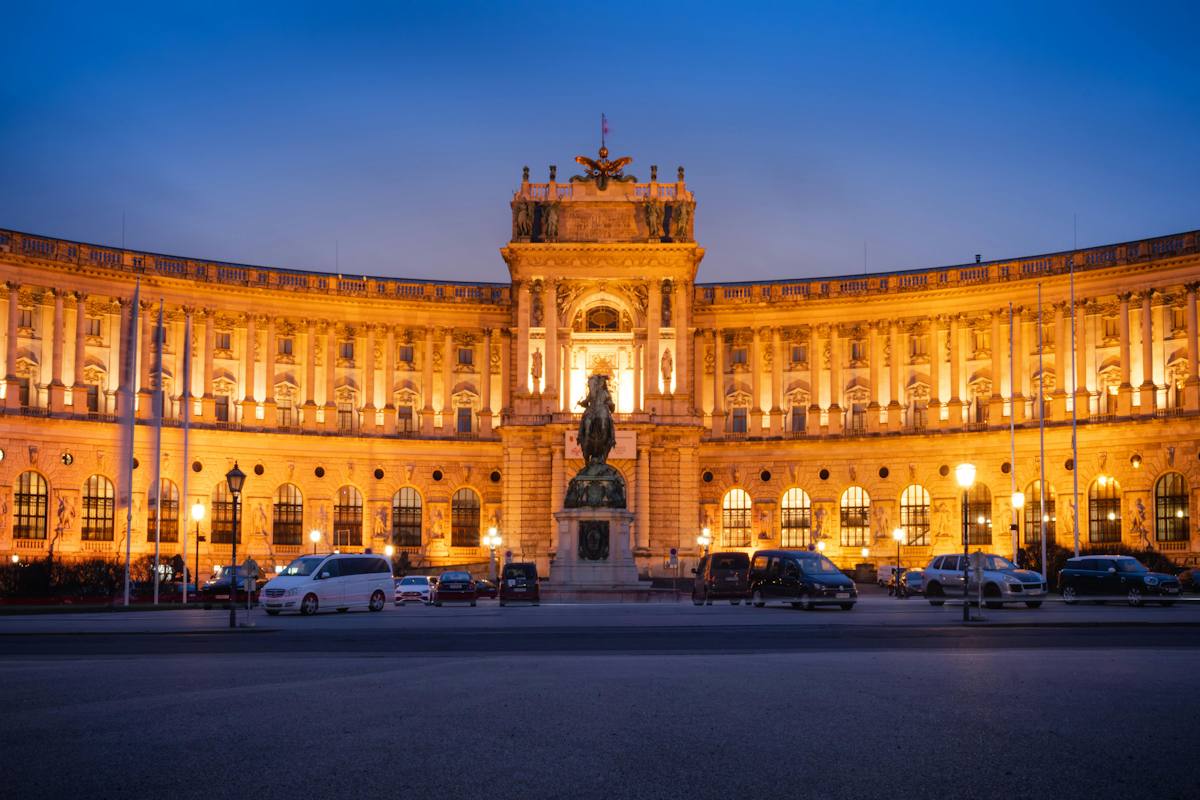
In the city centre, the Hofburg brings political history and several museums together in one large complex. These include the Sisi Museum. If you want to see several collections, compare the admission arrangements rather than assuming one ticket gives access to everything in the estate.
The Ringstrasse passes monumental buildings from the nineteenth century. Gothic Revival, Renaissance-inspired and neoclassical façades make it an interesting walking route. A tram ride can complement the walk, although it does not replace the time needed to visit individual buildings.
Choose your musical evening before filling the day
Mozart, Beethoven and Johann Strauss are closely associated with Vienna. Music remains an important part of the city’s cultural life. The Musikverein is especially famous for its Golden Hall, but the venue hosts different performers and uses more than one hall. Check the ensemble, room and programme before buying a ticket.
The existing guide to choosing Musikverein tickets, in French, can help you get your bearings. Compare its advice with the details of the event you are considering, including the seat plan and booking conditions. Early planning is sensible for popular performances, without assuming tickets will always be available.
The Vienna State Opera offers another option for an evening out. If you do not want to attend a performance, look into guided tours. A tour and a performance are separate experiences, with their own schedules. Check the dates before building the rest of your itinerary around them.
Make time for the coffeehouses
Café Central and Café Sacher are well-known places to experience Vienna’s coffeehouse tradition. A Melange or an Einspänner, with Sachertorte or apple strudel, can become a worthwhile pause in its own right. Famous addresses can be busy, however. A quieter coffeehouse near the museum you are visiting can be just as enjoyable.
Allow time for these breaks instead of squeezing them between appointments. A palace, several museums and a concert make a demanding day. Sitting down for a while often gives you more of a feel for Vienna than rushing to add another landmark.
Art, the Danube and neighbourhood life
The MuseumsQuartier provides several ways to explore art and culture. The Belvedere is another important stop, particularly if you are interested in Gustav Klimt. Choose collections that match your interests: having several museums close together does not mean they can all be appreciated in a single day.
For a change of pace, the Donauinsel offers walks, cycling and time by the water. Let the weather and season guide your plans. A meal at a Heuriger can also add another dimension to the stay. Consider its location and your journey back as carefully as the menu.
When to go and how long to stay
Spring and autumn work well for combining walks and gardens with indoor visits. Summer allows longer outdoor breaks. Christmas markets add another reason to visit during Advent, but check the opening dates and event programmes for the year of your trip rather than relying on an old calendar.
Three to four days is a useful starting point for a first visit. Choose accommodation with convenient access to your main sights. Compare ordinary transport tickets with the Vienna City Card: some options include public transport, while a separate version offers discounts only. Check what your selected product includes. The card’s name alone does not tell you which journeys are covered. (1)
Book the visits with fixed starting times first. Leave the remaining hours for the Naschmarkt, smaller galleries or a walk through a different neighbourhood. This gives your trip a workable rhythm rather than turning it into a race between famous addresses.
Sources
(1) Vienna City Card, official products and included services. Checked on 21 October 2026.
https://www.viennacitycard.at/en/vienna-city-card/
Share this story